The Surprising Features of Rode That Every Content Creator Should Know
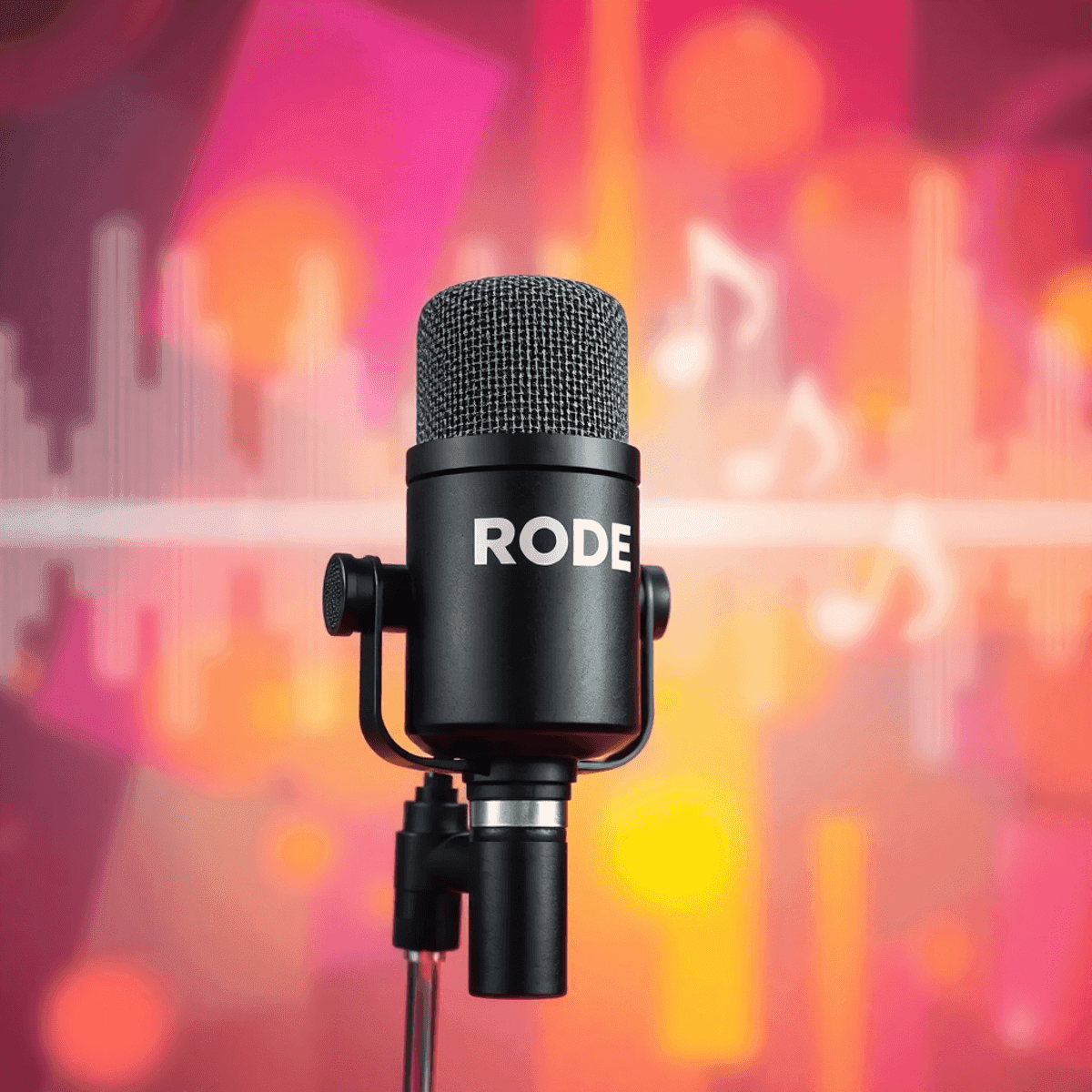
Rode is a leading brand in audio equipment, especially for content creators who want the best tools available. With its innovative technology and top-notch sound quality, Rode has become a symbol of excellence in content creation. Good audio quality is crucial—it can make a significant difference in the overall production value, turning average content into outstanding content.
In this article, we'll explore the unique features of Rode microphones that set them apart from other brands. These features are specifically designed to help content creators improve their skills and achieve remarkable results.
We've put together a selection of the best Rode products you can find at the RØDE Brand Store. Each product on our list has its own special qualities that make it stand out. This guide aims to assist you in making an informed decision when purchasing your next audio equipment. Whether you're an experienced professional or just starting out, these insights into Rode's offerings will be extremely helpful.
1. Rode NT1-A: The Low Self-Noise Champion
When it comes to capturing pristine audio, the Rode NT1-A stands out as a favorite among content creators. Known for its remarkably low self-noise level of just 5 dBA, this microphone ensures that even the quietest sounds are recorded with crystal clarity. Imagine recording a delicate acoustic guitar piece or a whispered voiceover without the distraction of unwanted background noise—this is where the NT1-A excels.
Key Features:
- Low Self-Noise: At just 5 dBA, it's one of the quietest studio microphones available.
- Wide Frequency Response: Ranging from 20Hz - 20kHz, it captures both high and low frequencies with remarkable accuracy.
The frequency response of the Rode NT1-A is another aspect that enhances its versatility. Its ability to capture a wide range of sounds makes it suitable for various applications, from vocals to instruments. The natural warmth and clarity it delivers are often highlighted by users who appreciate how faithfully it reproduces sound.
A personal anecdote comes to mind while using the NT1-A in a home studio setup. Recording an intimate podcast episode late at night, there was concern about capturing every nuance of my voice without picking up household noises. The NT1-A's low self-noise allowed the session to progress seamlessly, resulting in a polished final product that felt professional and engaging.
Exploring these features reveals why the Rode NT1-A is celebrated among those seeking a microphone that marries superb quality with reliability in any recording environment.
2. Understanding Microphone Types: Dynamic vs. Condenser vs. Shotgun
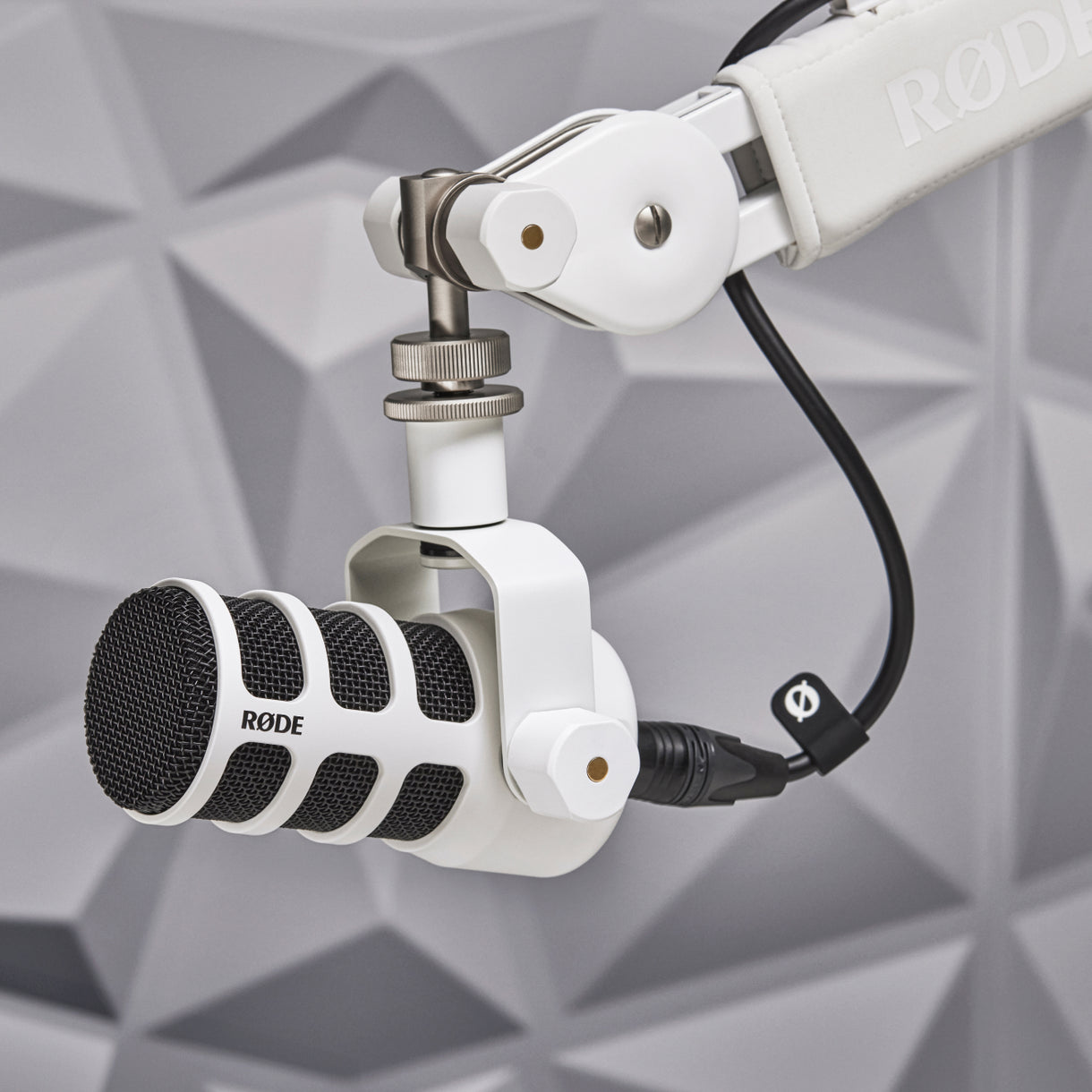
Navigating the world of microphones can be a bit daunting, but understanding the basics of different types can significantly aid in selecting the right one for your content creation needs.
1. Dynamic Microphones
Ideal for live situations, dynamic microphones are renowned for their durability and ability to handle high sound pressure levels, making them a favorite for live performances or outdoor recordings.
Dynamic microphones operate using a simple yet effective mechanism:
- A moving coil attached to a diaphragm
- Electromagnetic induction principles
- No need for external power
Key advantages include:
- Exceptional resistance to moisture and temperature changes
- Minimal handling noise
- Natural sound reproduction for loud sources
Popular applications:
- Live vocal performances
- Drum recording
- Guitar amplifier capture
- Broadcasting in challenging environments
- Podcast recording in untreated rooms
These workhorses of the audio industry typically feature a cardioid polar pattern, which helps reject unwanted background noise while focusing on the sound source directly in front of the microphone. Their robust construction means they can withstand:
- Accidental drops
- Extreme temperatures
- High humidity levels
- Constant transportation
Pro Tip: When using dynamic microphones, position them closer to the sound source compared to condenser microphones, as they generally have lower sensitivity levels.
2. Condenser Microphones
Perfect for studio work, condenser microphones excel in capturing intricate audio details thanks to their sensitivity and broad frequency response, hence they are often used for vocals and acoustic instruments.
Core Components:
- Lightweight diaphragm membrane
- Metal backplate
- Internal electronics
- Gold-sputtered capsule
These sophisticated devices operate through an electrically-charged metal plate system that requires 48V phantom power to function. Their precision makes them ideal for:
- Vocal recording sessions
- Acoustic guitar capture
- Piano performances
- Podcast studio setups
- ASMR content creation
Key Technical Features:
- Frequency response: 20 Hz - 20 kHz
- High output sensitivity
- Superior transient response
- Enhanced detail reproduction
Pro Tip: Keep a silica gel packet in your microphone case to protect the sensitive electronics from moisture damage.
When selecting a condenser microphone, you'll encounter two main variants:
Large-Diaphragm Condensers
Warmer, fuller sound
- Enhanced proximity effect
Ideal for lead vocals
Small-Diaphragm Condensers
More accurate high-frequency response
- Better off-axis performance
- Perfect for instrument recording
These microphones perform best in controlled environments where their sensitivity can be fully utilized without capturing unwanted room reflections or ambient noise.
3. Shotgun Microphones
Specialized for directional recording, shotgun microphones are designed to capture sound from a specific direction while minimizing ambient noise, which makes them indispensable for film and video production.
Here's a quick breakdown to help you decide:
- Dynamic Microphone:
- Pros: Durable, handles loud sounds well
- Cons: Limited frequency response
- Condenser Microphone:
- Pros: Excellent sensitivity and clarity
- Cons: Requires phantom power, more delicate
- Shotgun Microphone:
- Pros: Highly directional, reduces background noise
- Cons: Can be more expensive and complex to set up
Choosing the right microphone hinges on understanding these differences and aligning them with your specific recording scenario.
3. Unique Features That Make Rode Stand Out
Rode microphones are known for their outstanding performance, thanks to several unique features designed specifically for content creators:
Built-in Pop Filters
Many Rode microphones come equipped with internal pop filters, effectively reducing plosive sounds without requiring additional accessories. This built-in protection helps streamline your recording setup while maintaining professional audio quality.
Wireless Capability
Rode Connect software integration allows seamless wireless operation for select models, enabling:
- Multi-device synchronization
- Real-time monitoring
- Remote gain adjustment
- Battery status tracking
Advanced Capsule Technology
Rode's proprietary capsule designs incorporate:
Australian-engineered HF6 elements Gold-plated membranes Military-grade internal components
Smart Device Integration
Modern Rode microphones feature:
- USB-C connectivity
- iOS/Android compatibility
- Direct smartphone mounting options
- Companion mobile apps for enhanced control
Environmental Protection
Rode's commitment to durability includes:
- Internal shock mounting systems
- Moisture-resistant components
- Ceramic-coated circuit boards
- All-metal construction for professional models
These engineering choices reflect Rode's understanding of modern content creators' needs, combining professional audio quality with practical functionality.
1. Phantom Power Support
Many Rode condenser microphones require phantom power to operate. This feature ensures that the microphones deliver a consistent and strong signal, crucial for studio settings where clarity and detail are paramount. Phantom power allows these mics to pick up subtle nuances in sound, making them ideal for capturing vocals and acoustic instruments with precision.
Understanding Phantom Power in Rode Mics:
- Standard +48V power delivery
- Built-in voltage regulation circuits
- LED indicators for power status monitoring
- Auto-sensing power management
Key Benefits of Phantom Powered Operation:
- Enhanced sensitivity for capturing quiet sources
- Improved signal-to-noise ratio
- Greater dynamic range capability
- Consistent performance across recording sessions
Professional Integration Features:
- XLR connectivity with balanced signals
- Compatible with most audio interfaces
- Seamless studio console integration
- Power draw optimization for extended use
The implementation of phantom power in Rode microphones also includes protective circuitry that guards against power surges and polarity reverses, ensuring your investment remains protected. For mobile recording scenarios, select Rode models offer battery-powered phantom power solutions, providing studio-quality recordings in remote locations.
Tech Tip: When using multiple phantom-powered Rode microphones, it's recommended to power them up sequentially rather than simultaneously to prevent power supply strain.
2. High-Pass Filters
Rode's inclusion of high-pass filters helps reduce low-frequency rumble, which can be a common issue during recordings. Whether it's the hum of an air conditioner or distant traffic noise, these filters ensure that unwanted low-end sounds are minimized. This results in cleaner audio tracks that require less post-production work.
Common Filter Settings:
- 75Hz for subtle low-end control
- 150Hz for aggressive rumble reduction
- Switchable options for versatile recording scenarios
Understanding High-Pass Filter Applications:
- Voice Recording: Reduces chest resonance and plosive sounds
- Field Recording: Minimizes wind noise and ground vibrations
- Musical Instruments: Controls excessive low-end buildup
Pro Tip: When recording in untreated rooms, engaging the high-pass filter at 75Hz can significantly reduce room resonance without compromising the natural warmth of the source.
Technical Implementation Benefits:
- Analog filtering before digital conversion
- Minimal impact on phase response
- Low power consumption design
- Preserved transient response
The filter's slope characteristics typically range from 6dB to 12dB per octave, providing gentle to moderate attenuation that maintains the natural sound while effectively managing problematic frequencies.
3. Selectable Polar Patterns
Directionality is key in various recording environments, and Rode offers selectable polar patterns on some of their models. This feature provides flexibility in capturing sound from different directions, whether you need to isolate a single voice or capture ambient soundscapes. Content creators can tailor their microphone's pickup pattern based on the specific demands of each project.
These features collectively enhance the versatility and reliability of Rode microphones, making them a preferred choice for creators seeking high-quality audio solutions.
4. The Versatile Wireless Solutions by Rode: Wireless GO II & Wireless Pro
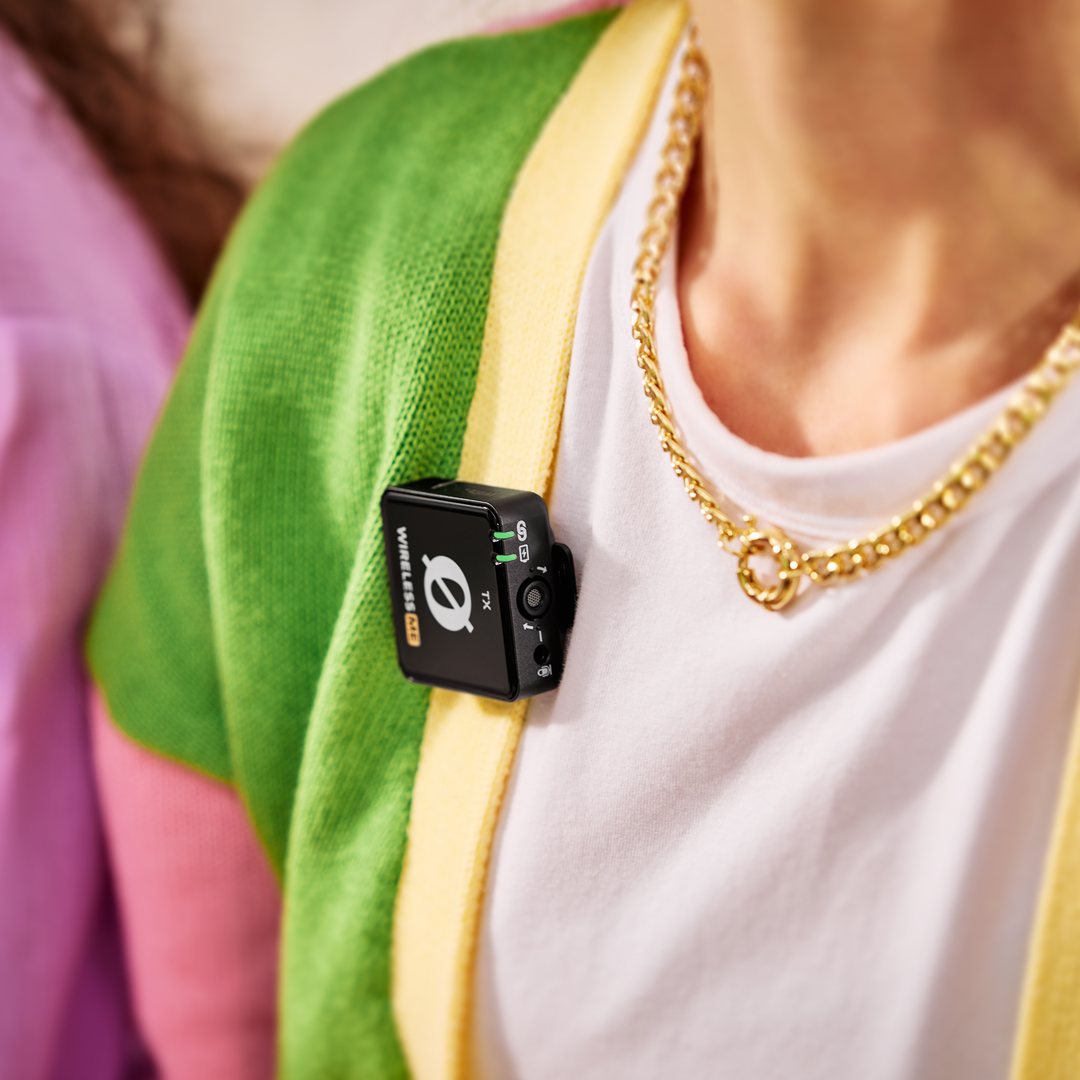
When it comes to wireless audio solutions, Rode has really stepped up its game with the Wireless GO II and Wireless Pro systems. These products are designed to cater to a variety of needs for content creators who prioritize flexibility and ease of use.
Key Features
- Dual-Channel Capability: The Rode Wireless GO II is a dual-channel wireless microphone system, making it perfect for capturing multiple speakers at once. This feature is particularly useful for interviews or panel discussions where more than one person needs to be mic'd up simultaneously.
- Advanced Encryption Technology: Security is a priority with the Wireless Pro, which integrates advanced encryption technology. This ensures that your audio transmission remains secure and interference-free, even in busy environments.
Real-World Applications
Imagine you're on a bustling city street conducting interviews for your vlog. The Wireless GO II simplifies your setup process, allowing you to clip the transmitters onto your subjects swiftly without worrying about tangled wires or bulky equipment. This makes on-location shoots more manageable and less stressful.
Similarly, for those recording podcasts or videos that require movement—perhaps a cooking show where you move around the kitchen—the Wireless Pro offers freedom like no other. Its reliable connection means you can wander without losing sound quality, keeping your content polished and professional.
These versatile wireless solutions by Rode not only enhance the quality of your production but also make the entire recording process much more enjoyable and efficient.
5. Rodecaster Pro: The All-in-One Podcasting Powerhouse
When it comes to podcasting, the Rodecaster Pro is a game-changer. It's designed with podcasters in mind, offering an all-in-one solution that simplifies the recording process while enhancing production quality. Let's dive into what makes this console a must-have for content creators.
Key Features of the Rodecaster Pro
- Built-in Sound Effects Pads: With eight programmable sound pads, you can add jingles, effects, and music at the touch of a button. This feature allows you to create a dynamic listening experience without needing post-production software.
- Multitrack Recording Functionality: Record each microphone input separately. This ensures maximum flexibility during editing, allowing for precise adjustments and mixing to achieve professional-quality audio.
Tips for Effective Use
- Plan Your Episode Layout: Before hitting record, organize your sound effects and music clips on the pads. A well-planned layout can streamline your recording session and keep your focus on content delivery.
- Leverage Multitrack Recording: When editing, utilize the multitrack capabilities to fine-tune each speaker's audio levels and remove any unwanted background noise.
- Experiment with On-the-Fly Adjustments: The intuitive interface of the Rodecaster Pro lets you tweak settings as you record. Try adjusting levels or adding effects in real-time to see what best suits your podcast style.
This device stands out not just for its technical prowess but also for how it empowers creators to produce engaging content effortlessly.
Making an Informed Choice with Rode Products
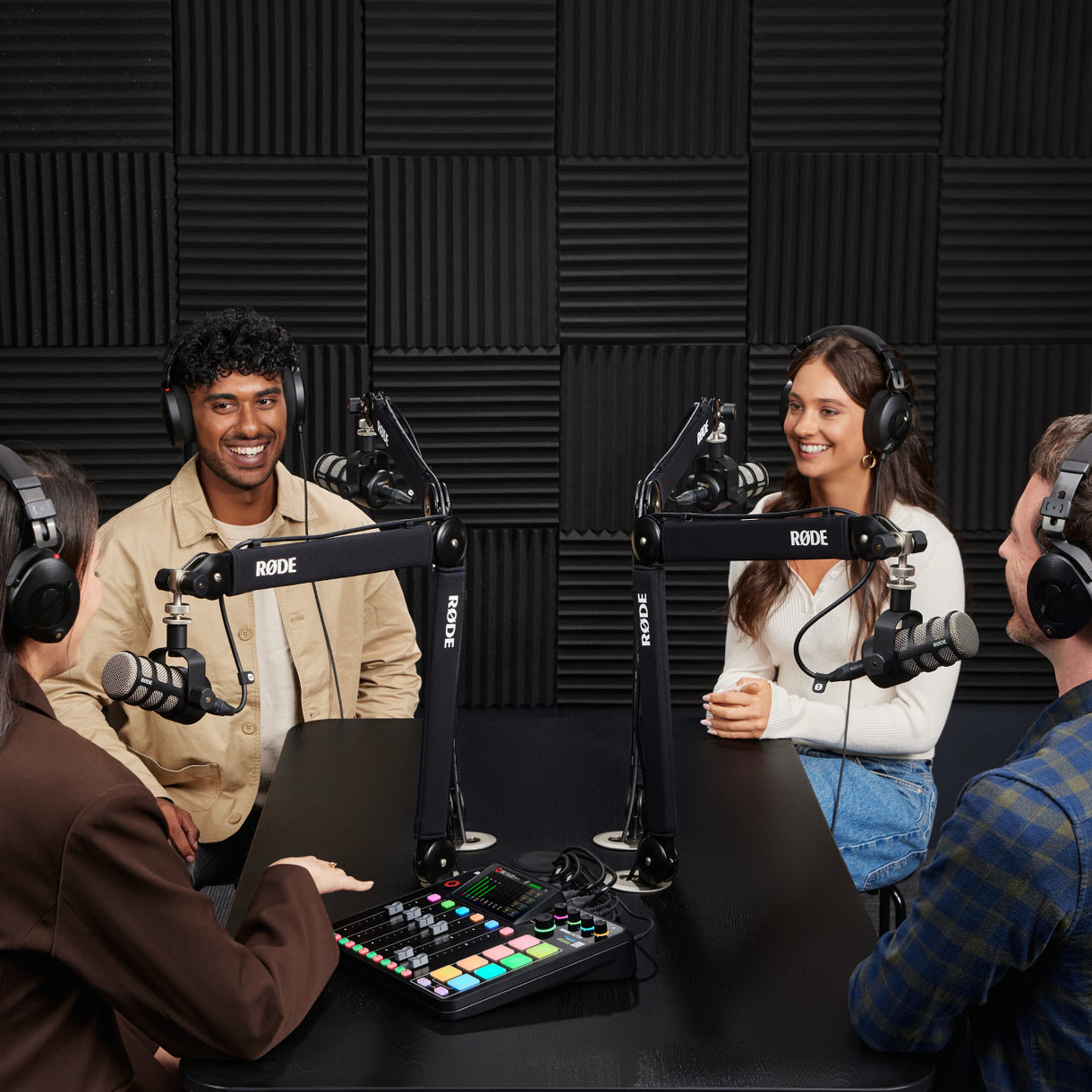
Investing in high-quality audio equipment is a game-changer for content creators aiming to elevate their work. Rode stands out as a leading brand, providing cutting-edge solutions that cater to various recording needs. When considering how to choose a microphone, take into account factors like the recording environment, the type of content you produce, and your specific requirements such as self-noise levels or wireless capabilities.
Here's why Rode products are worth exploring:
- Versatility: From the low self-noise of the NT1-A to the all-in-one versatility of the Rodecaster Pro, Rode offers solutions tailored to different scenarios.
- Innovation: Features like dual-channel capability and advanced encryption in wireless systems simplify workflows and ensure reliable performance.
- Quality: With each product designed to meet professional standards, Rode ensures that your audio is clear and impactful.
Explore our curated selection of top-rated Rode products discussed in this article. Choose one that best suits your needs and start transforming your creative vision into reality.